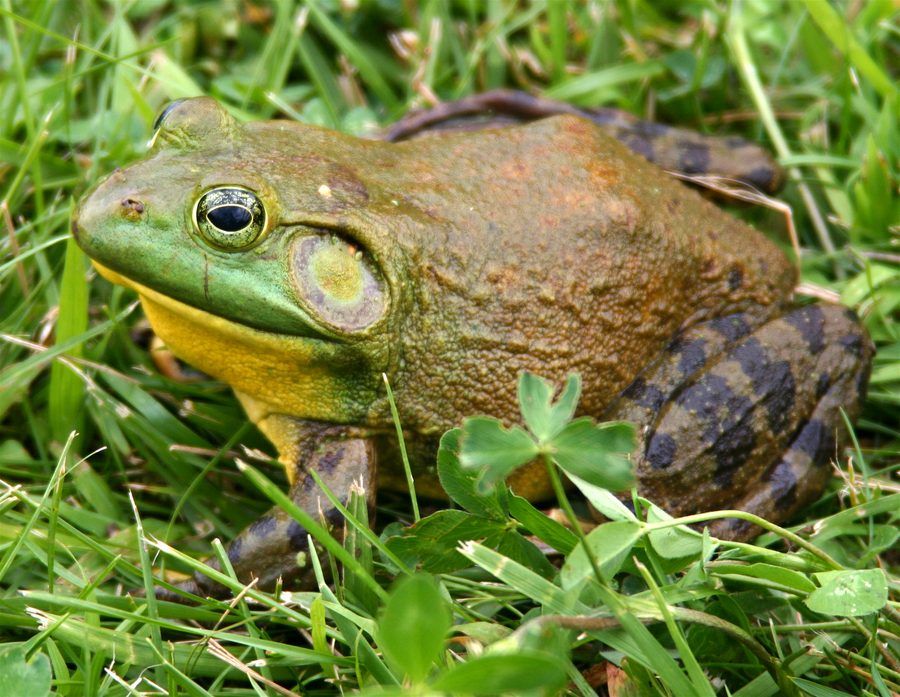
Meet the Frogs
Frog Basics: A Pond Full of Clues
Frogs are some of the easiest wild animals to find, because they announce themselves. On a warm spring or summer evening, the loudest singer at the pond is usually a frog, and every kind of frog sings a different song. Learn the songs and the signs, and you can name frogs you never even see.
Frog or Toad?
All toads are really a special kind of frog, but here is the backyard rule. Frogs have smooth, moist skin, long legs built for jumping, and they live in or near water.
Toads have dry, bumpy skin, shorter legs for hopping and walking, and grown toads can wander far from water. Those big bumps behind a toad's eyes are glands, one more reason to look and not grab.
Listening Is the Best Tool
Only the males sing, puffing out a balloon-like throat pouch called a vocal sac. Each species has its own call: peeps, trills, snores, plucks, and grunts.
That is why some cards in this guide have a Hear It button. Tap it to hear the real call, recorded in the wild. Then stand quietly by a pond at dusk and try to match the singers, one voice at a time. Warm, rainy nights are the loudest of all.
From Egg to Frog: Metamorphosis
A frog's life is a shape-shifting story in four acts. Watch a pond from spring into summer and you can catch every act in order.
1. Eggs
A female lays jelly-covered eggs in water, in blobs, strings, or films depending on the species.
2. Tadpole
The egg hatches into a tadpole: all tail and appetite, breathing with gills like a fish.
3. Froglet
Legs sprout, the tail shrinks away, and lungs take over. A tiny frog with a tail stub climbs out.
4. Adult Frog
The grown frog eats insects, and in season the males sing to start the whole cycle again.
Why Frogs Matter
Frogs are champion bug catchers, eating mosquitoes and garden pests by the thousands, and they are dinner for herons, snakes, raccoons, and owls. Because their skin soaks up whatever is in the water, healthy frog choruses are a sign of a healthy pond. Scientists watch frogs the way sailors watch the sky.
When and Where to Try
Start at a pond, marsh, or slow stream at dusk, from spring through summer. Walk slowly, stop often, and let your ears lead. Shine a flashlight low across the water and look for shining eyes. Many frogs freeze when a light hits them, which gives you a good long look without touching a thing.
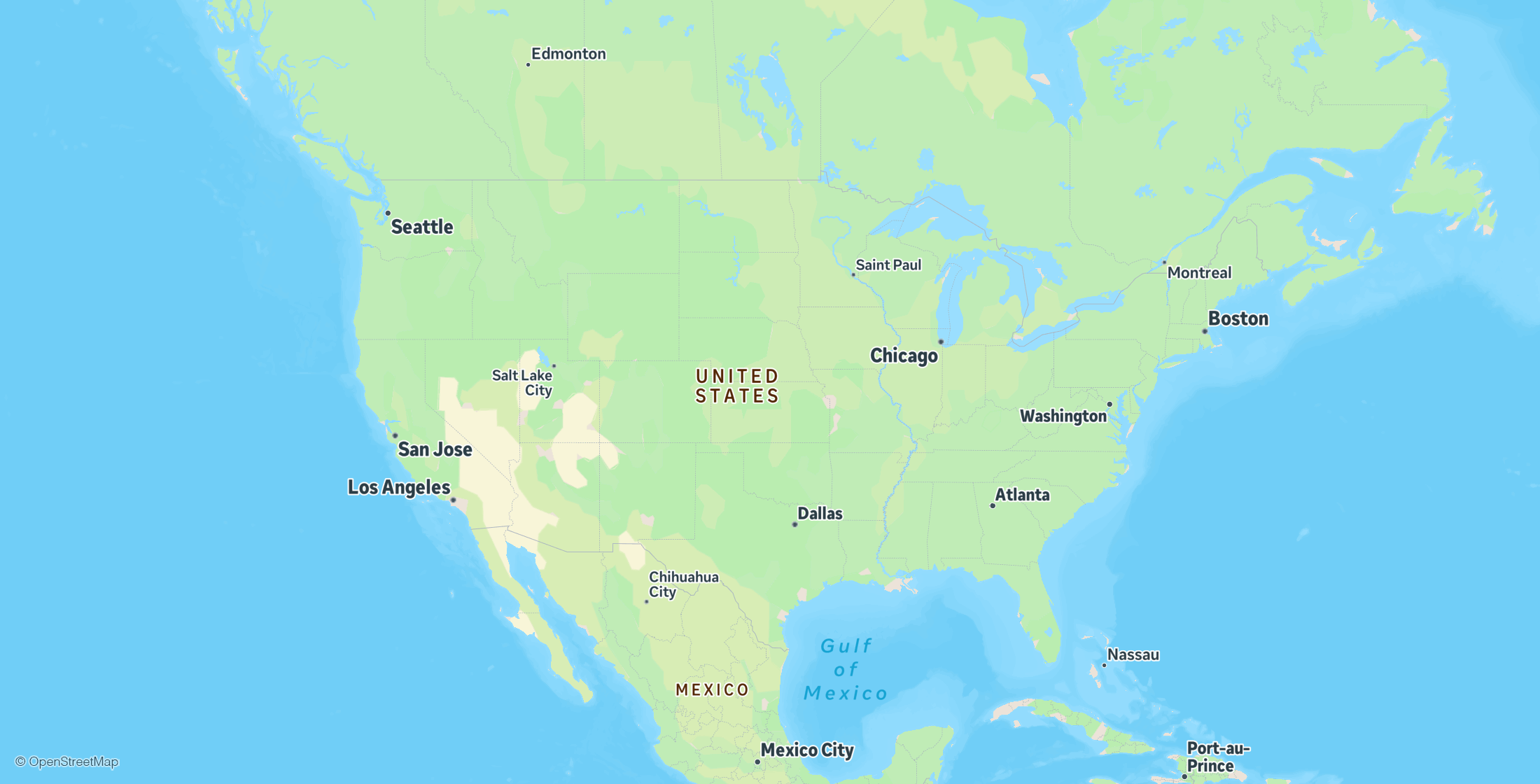
Frog Sightings Map
Frog spotters all over the United States and Canada are hearing choruses: at farm ponds, in swampy woods, and in backyard puddles after rain. Every pin on this map is a real sighting sent in by email: the frog that was seen or heard, a first name, the town and state, and the date it was spotted.
This shared map is different from your Spotted It! list on the cards above: that list stays on your device, just for you. A sighting only gets onto this map when a grown-up emails it to us, and we add the pin by hand. Heard a frog but never saw it? That still counts. With frogs, a careful listen is a real sighting.
© OpenStreetMap contributors
No sightings pinned yet. Be the first! Ask a grown-up to email us a sighting using the Report a Sighting section below, and we will add your pin to the map by hand.
Look and Listen
Enjoy your frog from a short distance and let it keep singing. Remember what it looked or sounded like, where you were, and the date.
Ask a Grown-Up to Email Us
A grown-up sends us the frog's name if you know it, your first name, your town and state, and the date you spotted it. The email button below is ready to go.
Watch for Your Pin
We read every email first, then add new pins to the map by hand, in batches, so your pin may take a little while to appear. Keep checking back!
First names and towns only: pins show a first name, a town and state, and a date, never a last name and never a home address.
Get the App
Put Frogs of North America on your phone's home screen, and it works like an app, even out at the pond with no signal.
iPhone or iPad
1. Tap the Share button (the square with an arrow pointing up).
2. Tap Add to Home Screen.
3. Tap Add. The frog icon lands on your home screen.
Android
1. Tap the ⋯ menu.
2. Tap Install app or Add to Home screen.
3. Tap Install. The frog icon lands on your home screen.
Photo Credits
Every photo and recording in this guide is freely licensed, shared by the photographers and recordists below through Wikimedia Commons and iNaturalist. Thank you to every one of them.